Why the stands look the way they do
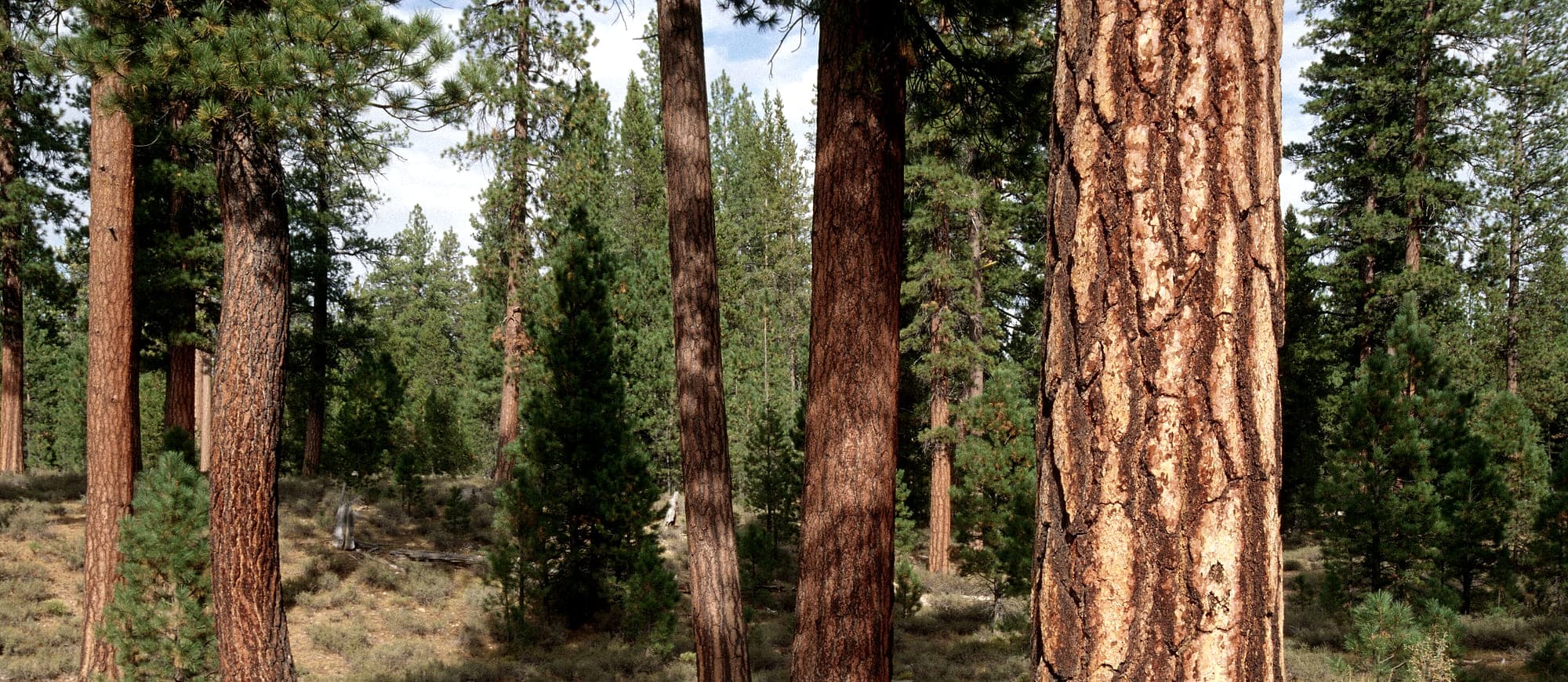
A century of effective fire suppression took out the frequent low-intensity fire that used to keep these forests open by killing small trees before they got established. Ponderosa and western larch stands that once carried a few dozen big trees per acre with grass between them now carry many hundreds of small ones.
Those dense stands aren't a natural condition that's always been there. They're the accumulated result of a management decision, and they're more flammable, more vulnerable to insects, worse wildlife habitat, and slower at producing the big trees most owners actually want.
Picking which trees stay
The instinct is to take the small and weak, and that's broadly right, though it isn't the whole rule. What you're really selecting for is the trees that'll still be there and still growing well in fifty years. That means favoring species suited to the site, crowns that are deep and full instead of short and flat-topped, decent spacing between the keepers, and freedom from existing damage or disease.
Species matters more than people expect. On the same slope, ponderosa and western larch are far more fire-resistant and more drought-tolerant than the Douglas-fir and grand fir that tend to take over without fire. A thinning that shifts composition back toward pine and larch is doing something durable, not just reducing the count.
Whether it pays for itself
Sometimes. If enough of what comes out is big enough to be merchantable and the haul is reasonable, a thinning can break even or better, and you get paid to improve your own stand. If what needs to go is mostly small material with no market, thinning is an expense. You're buying future growth and lower risk instead of harvesting present value.
Which situation you're in is a measurement question, not a judgment call, and it's worth answering before you commit. Cost-share money exists specifically to cover part of the gap where the work is worth doing but doesn't pay, particularly where wildfire risk is involved.
What it looks like afterward
Honestly, rough for a season. Slash on the ground, stumps, and more light than the site has had in decades. Landowners who haven't seen it before are often alarmed at the two-week mark.
By the second growing season the understory has come back, the slash has been treated or settled, and the trees you kept are visibly putting on growth they couldn't before. By year five most people tell me the stand looks the way they pictured their forest looking when they bought it.
Questions people ask
It varies more than almost any other forestry service, because cost tracks how much material comes out and what has to happen to it. Taking scattered small trees and leaving the slash to settle sits at the low end. Cutting a dense thicket and then piling and burning or chipping everything sits several times higher. Steep ground, no road access, and nowhere to put slash raise it further. Where merchantable volume comes out, the value of that material offsets part or occasionally all of the cost.
There's no single right number, because it depends on species, site productivity, tree size, and what you want the stand to do. As an illustration and not a prescription: a mature ponderosa stand managed for big trees and fire resilience might carry a few dozen trees per acre, while the same ground left alone for eighty years could carry several hundred small ones. Foresters measure this as basal area, not stem count, precisely because a hundred big trees and a hundred small ones are completely different situations.
Done well, genuinely healthier. The trees you keep get more water, light and root space, put on measurably more growth, and become much better at fighting off beetles. Done badly it can hurt: taking the best trees and leaving the poor ones, opening a stand so fast the rest blows down, or beating up the trees you meant to keep. The difference is entirely in which trees get picked and how closely the work is watched.
On a small acreage plenty of people do, and it's reasonable work for a fit, careful owner with proper training and gear. Two cautions worth taking seriously. Felling is among the more dangerous things a person can do on their own land. And the selection decisions matter more than the cutting does. It's common and sensible to have the prescription and marking done professionally and then run the saw yourself.
Thinning is the decision about which trees come out. Mulching is one way of dealing with the material afterward, using a machine that grinds standing small trees and brush in place. It's fast and leaves no slash to burn, but it only works on smaller material and leaves a heavy mat of chips. Hand cutting with pile burning, whole-tree removal to a landing, and mulching are all options with different costs and different results. The right one depends on what's coming out and what the ground can carry.
Cutting can happen year round, but there are good reasons to prefer some seasons. Working on frozen or dry ground avoids the rutting and soil damage spring operations cause. Where beetles are a concern, when you cut and when you remove or treat the resulting material matters a great deal, since fresh green slash left through the spring can breed the very insects you're trying to discourage.